
Bradenton Address Sources Across Time
A backward Bradenton address search needs sources with overlapping dates. The current parcel supplies a stable identifier and legal description. Deeds carry ownership toward the county's earliest books. Directories and census schedules add selected occupants, while maps and permits explain changes to the building or address.
| Source | Local time span | Access point | Contribution |
|---|---|---|---|
| MCPA parcel roll | Current; nightly updates | Property Appraiser portal and office | Owner, situs/mail, parcel, legal description, structure and sale anchors |
| Clerk Official Records | Web index 1978-present | Official Records portal | Parties, dates, instrument ID, legal description and images |
| Historical deed books | County records from the 1850s | Historic Courthouse and Historical Resources | Pre-web grantor/grantee chain |
| Federal census | 1850-1950 surviving schedules | National Archives and libraries | Enumerated household at ten-year intervals |
| Sanborn maps | 1911, 1915, 1922, 1926 | Library of Congress | Street numbering, footprint, material and use |
| Directories and permits | Holdings and online coverage vary | Local-history desks; City or County | Listed adults, occupation, alterations and permit dates |
Start with MCPA even for an old question because parcel ID, subdivision, lot and block survive many street-label changes. Move to Clerk books for ownership, then select the directory, census, map, permit, obituary, or probate source closest to the target year.
Anchor Bradenton Previous Residents
Open the current parcel at the Manatee County Property Appraiser. Save the situs separately from the owner's mailing address. Also preserve parcel ID, subdivision, lot and block, year built, latest-sale date, exemptions, and recent permit fields. Situs identifies the land; mailing identifies where appraisal correspondence goes. Neither is a complete household roll.
The Clerk's online-search coverage page shows the routes that extend the parcel anchor into deeds, plats, probate, and older research:
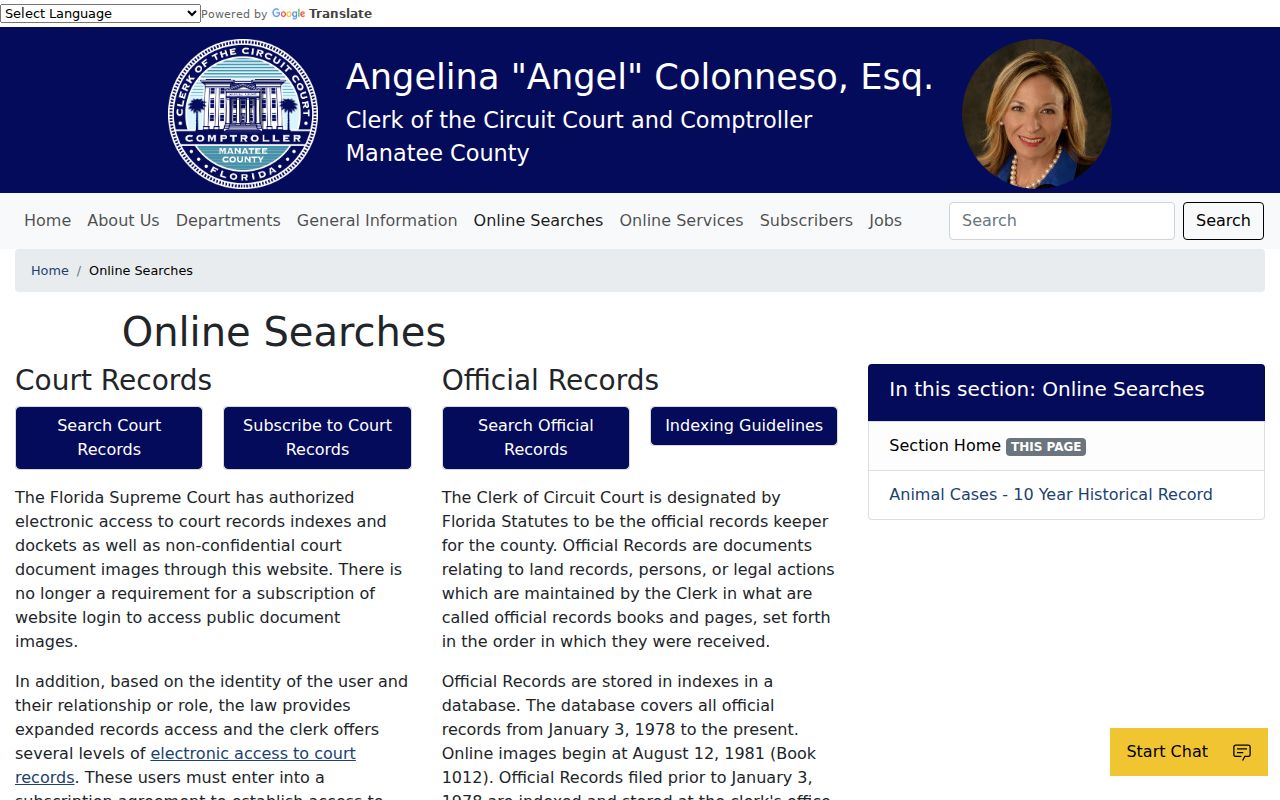
The Historic Courthouse Public Access counter is at 1115 Manatee Avenue West and is open Monday through Friday, 8:30 a.m. to 4:30 p.m. Researchers can also call 941-741-4040 or mail a focused request to Public Access and Research.
Trace Manatee County Owners Backward
The ownership path for previous residents begins with the current Bradenton parcel, not a guessed surname. Preserve person name, parcel or legal description, and time at every step. The description prevents a same-name deed or changed address from being attached to the wrong land.
- Search the situs in MCPA and save the current owner, mailing address, parcel ID, legal description, year built, and latest-sale date.
- Search the current owner as grantee in the Clerk index, select Deed, and compare the sale date and description.
- Open the acquisition instrument and capture the seller, or grantor. Search that seller as an earlier grantee.
- Repeat while the description remains consistent. Use instrument numbers for records after 2020.
- At the 1978 web boundary, ask Public Access for the earlier grantor/grantee index and deed book.
- Grantor / grantee
- The grantor transfers an interest; the grantee receives it.
- Chain of title
- The documented sequence of transfers affecting the same land.
- Legal description
- The lot, block, subdivision, or surveyed description that identifies land more reliably than a street label.
The free index and a certified copy are not equivalent. The online party and document index begins January 3, 1978, while images begin August 12, 1981 at Book 1012. A missing online image may still have an index entry or office-held original. Clerk records reach back to the county's 1855 organization, though exact early-book coverage must be confirmed.
Repair a Bradenton Address Trail
When the street name or number fails, compare the deed's legal description with the Manatee Clerk Plat Records search. A recorded plat can hold the subdivision, block, lot, streets, and easements steady while the everyday address changes. The separate plat portal provides the map side of the previous-residents chain:
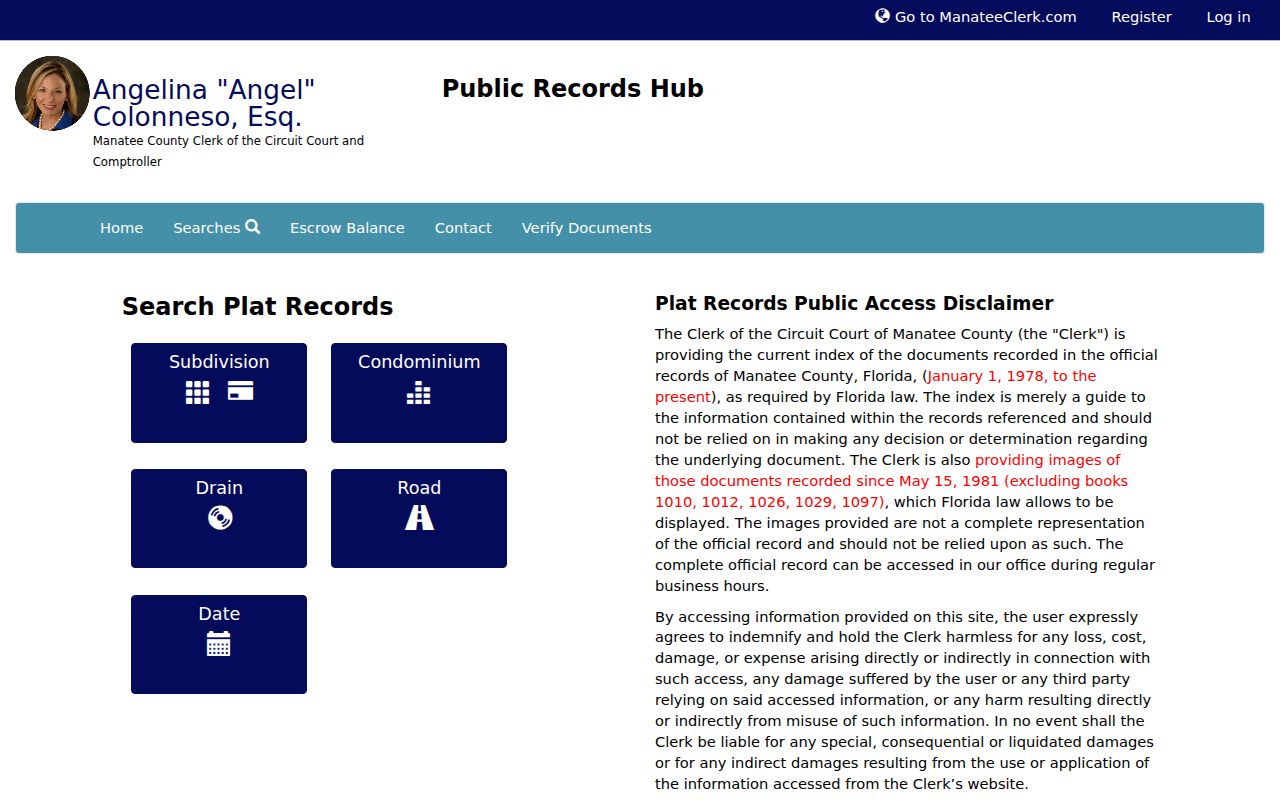
Central Library's digitized street guide records an ordinance effective December 1, 1926 that replaced almost all named streets and avenues with numbered roads. Still, the booklet is not proof that every parcel followed one simple conversion. Compare consecutive directories, the plat, deed description, and Sanborn sheet, then ask Clerk Historical Resources about a cross-reference.
Map Earlier Bradenton Houses
The Library of Congress holds Bradentown or Bradenton Sanborn editions for July 1911, July 1915, May 1922, and April 1926. They show street names and widths, property lines, house or block numbers, footprints, materials, and building use. They do not name previous residents, but they can show whether the same-looking address represented the same structure.
The National Archives census guide explains the public schedule framework used alongside those maps:
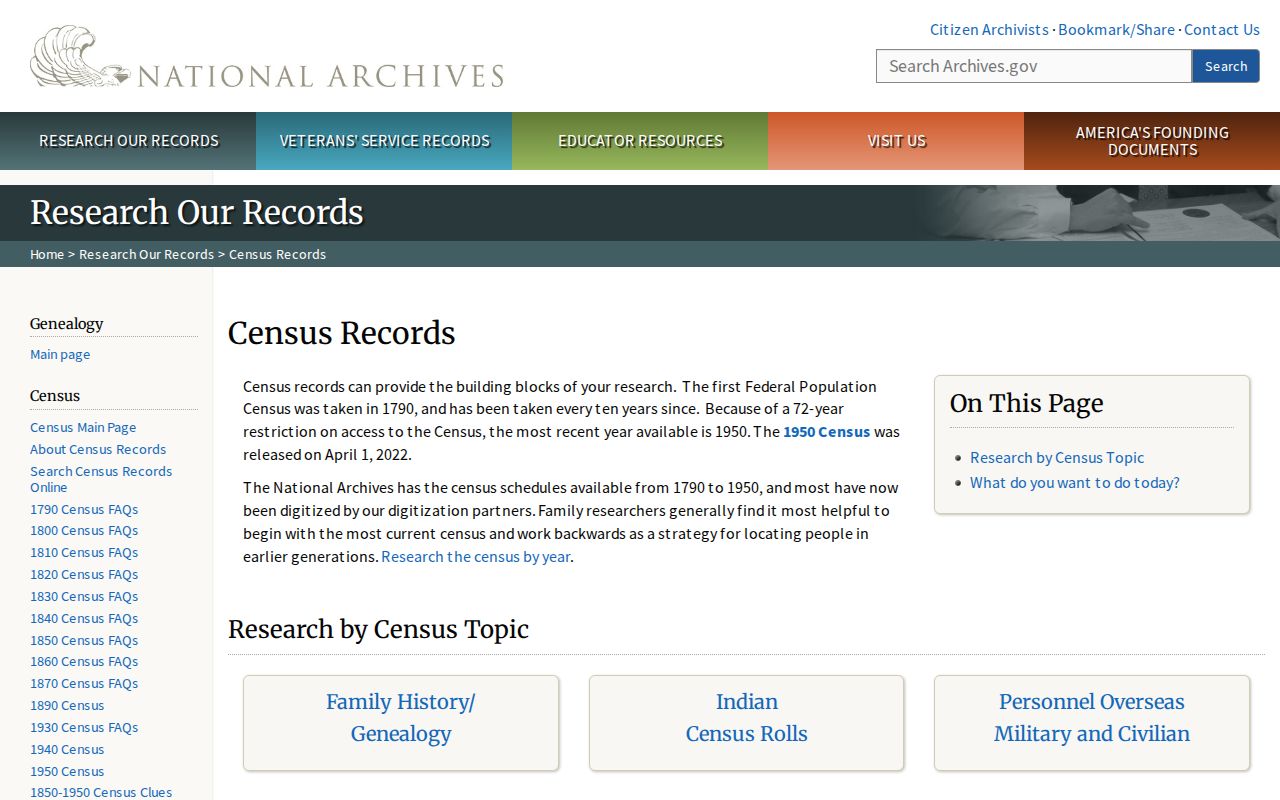
Search Braidentown, Bradentown, Bradenton, and Manatee. The city spelling changed in 1905 and 1924, and Bradenton consolidated with the neighboring City of Manatee in 1943. Catalog labels preserve those distinctions.
Bradenton House History Beyond Portals
The Manatee Clerk Historical Resources Department holds deed books, marriage licenses, probate and court files, minutes, voter books, tax cards, maps, plats, directories, yearbooks, and attendance records. On-site research and staff help cover materials that do not fit the modern Official Records search. Manatee Village Historical Park also provides a research route into local primary sources.
The Manatee Village research service adds local context to a previous-residents search:
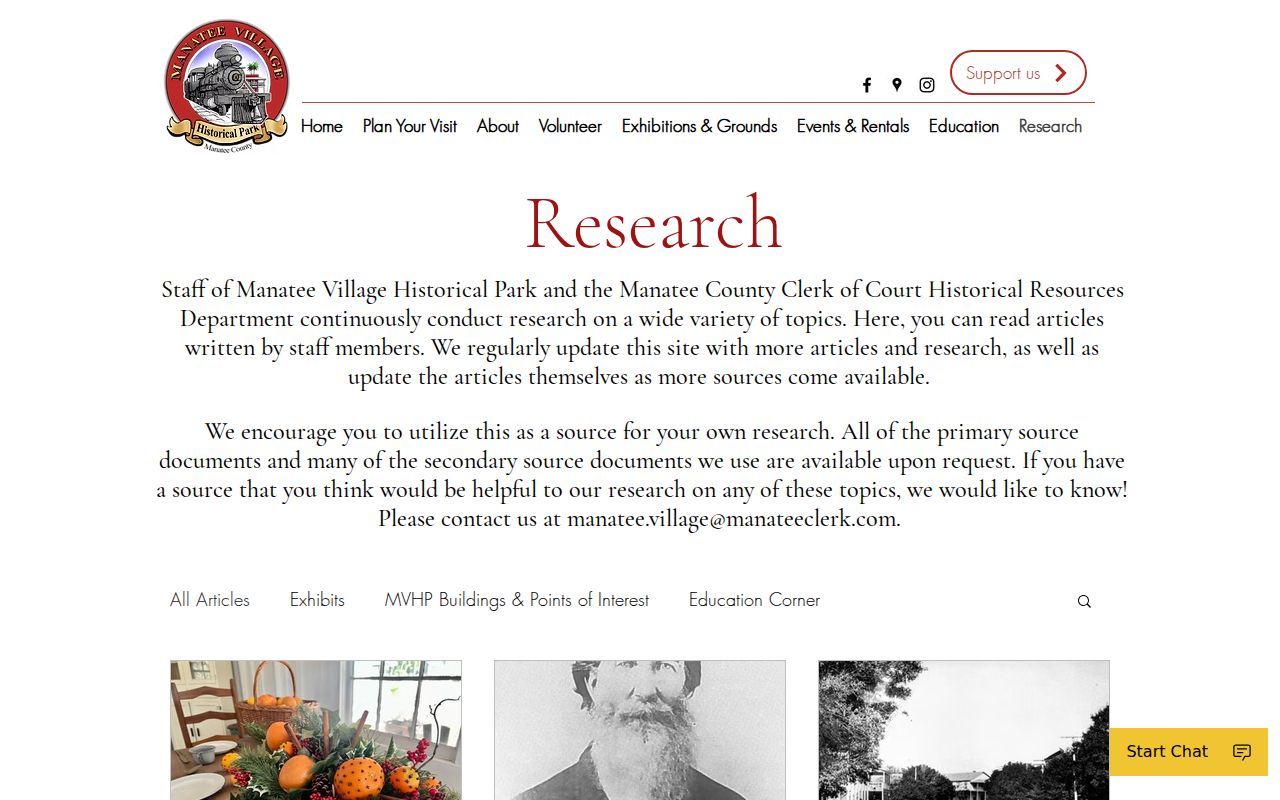
Send a focused question with address variants, parcel or legal description, target years, and names already verified. That gives staff more useful anchors than a broad request for everyone who lived there.
Note: The preserved 1860 courthouse is a historic site; current Clerk divisions remain the custodians for official copies.
Date a Bradenton Building
Building permits can show construction or alteration dates, permit number, type, and status. MCPA summarizes recent permit events, while City Accela or a county records request supplies address-specific files based on jurisdiction. A permit party may be an owner, applicant, or contractor and does not establish who lived at the house.
Sanborn footprints can test continuity before modern permits. If a footprint or house number changes between editions, compare the plat and legal description before moving a listed household forward. This is especially important around the former City of Manatee and older numbered grids.
Close Bradenton Resident Trails
A death record, obituary, probate case, and later deed can explain why a household disappears or ownership transfers through an estate. The Florida Department of Health in Manatee County issues local birth and death certificates, while the state bureau holds statewide series. Death certificates without cause are public; cause-of-death information remains restricted for 50 years except to eligible requesters.
The Manatee vital-certificate route explains local ordering:
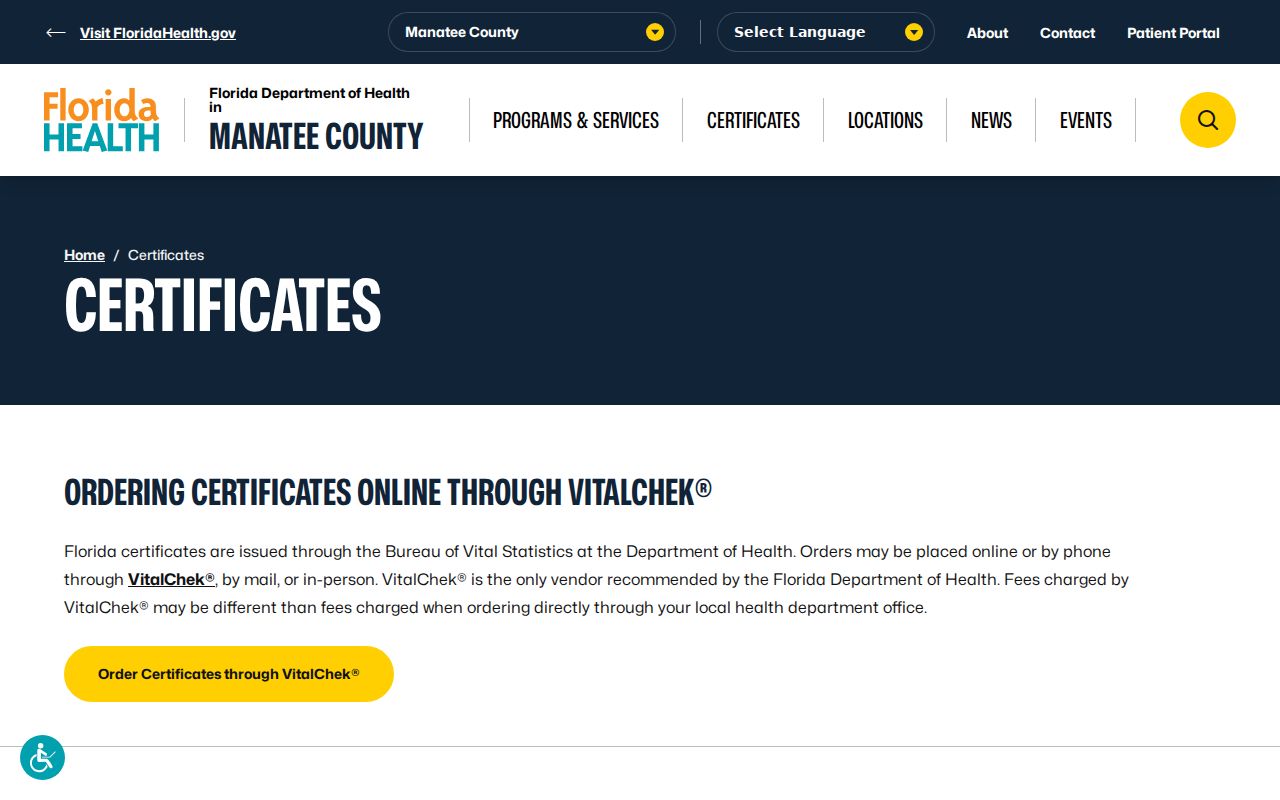
Use the certificate as evidence of the event it records. Then read the Clerk probate docket and deed parties for any estate transfer, without assuming every same-name result belongs to the prior household.
Bradenton Past Households in Print
Owners are only part of the previous-residents trail. A criss-cross directory can point from house number to a listed adult or subscriber in one publication year. Confirm that person in the alphabetical directory, then compare the nearest public census. The 1950 schedule is currently the newest public federal population census under the 72-year release rule. Exact local directory runs must be checked with the holding institution rather than assumed continuous.
- Choose a directory year closest to the deed or permit event and search the address exactly as printed.
- Record every abbreviation, spouse notation, occupation, and cross-reference without expanding uncertain marks.
- Find the closest census year and verify the household, address convention, ages, relationships, and occupations.
- Use the Bradenton city directory collections for intermediate years, then reconcile departures with later deeds, obituaries, or probate.
Obituaries can name kin and places, and probate papers can explain a transfer through an estate. Attribute a relationship to the record that states it. A same surname or later deed is not enough by itself.
Lawful use. Research Bradenton previous residents for house history, genealogy, estates, and personal curiosity. Never use the findings to track, harass, intimidate, or harm a living person.